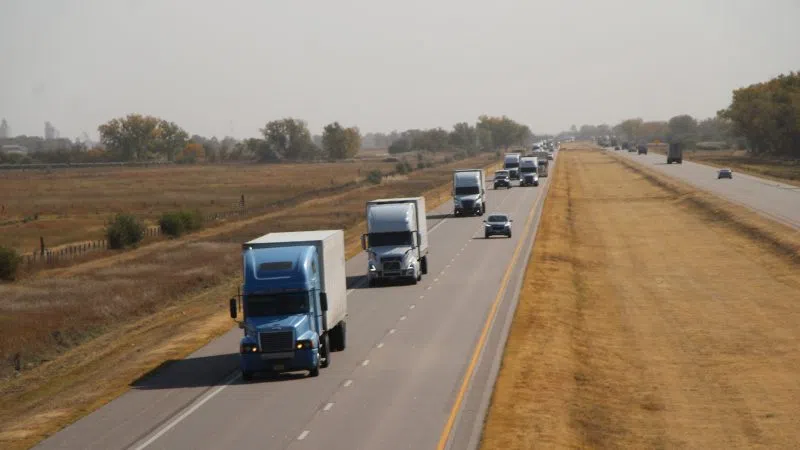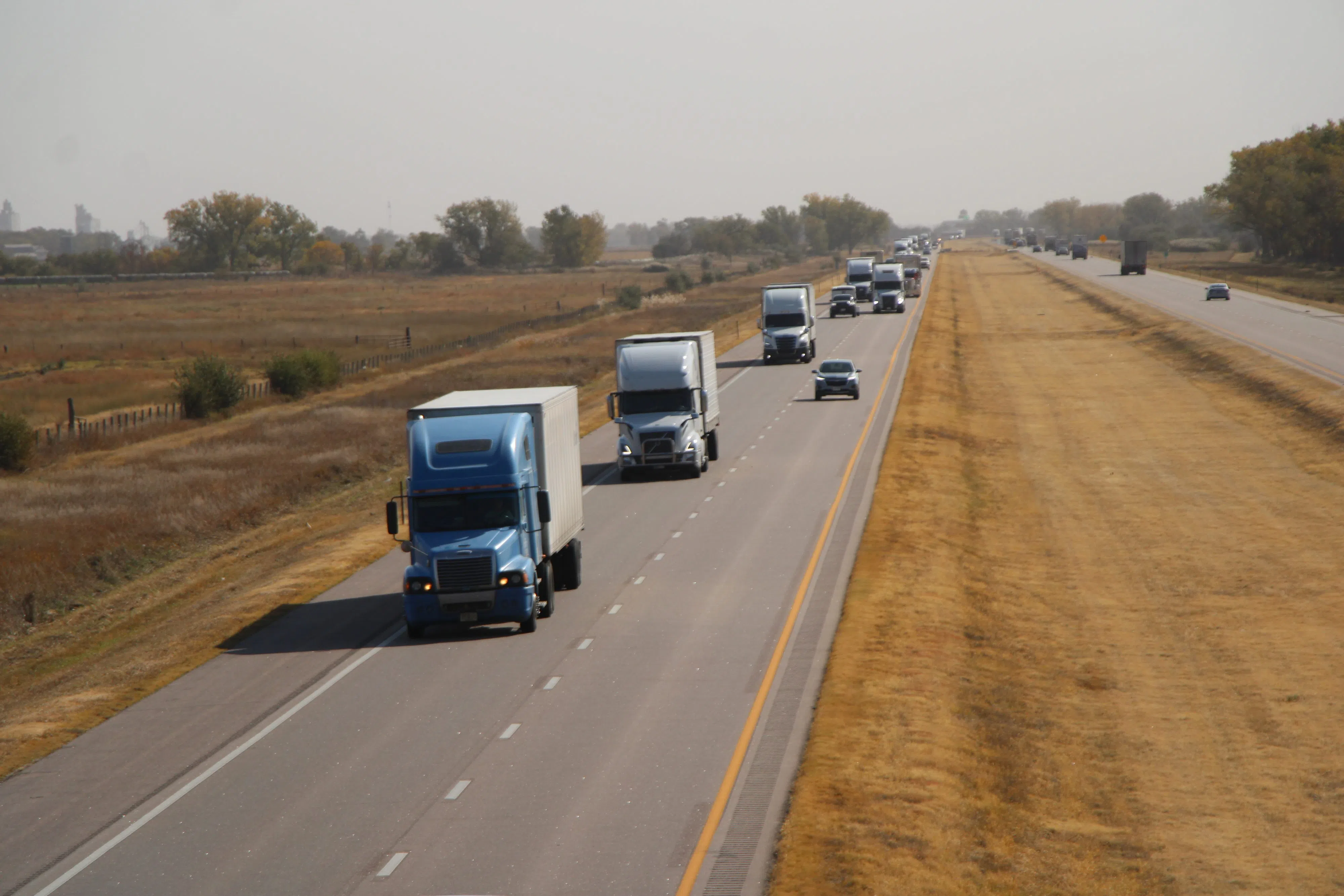
Interstate 80, (Brian Neben, Central Nebraska Today)
NEBRASKA — Nebraska’s updated move-over law took effect Sept. 3, 2025. The change comes after the Nebraska Legislature passed, and Governor Jim Pillen signed, LB 530 earlier in the year.
What Has Changed?
Previously, the move-over law applied only to emergency and roadside assistance vehicles on controlled-access highways – designed for highspeed, high-volume traffic with regulated entry and exit points, like ramps or interchanges.
Now drivers on these highways must move over when approaching all stopped vehicles on the same side of the highway.
If moving into the next lane is not possible, drivers must slow down to a safe speed and proceed with care or as directed by authorized personnel. These requirements do not apply if the stopped vehicle is unoccupied and there are no individuals present in or near the stopped vehicle.
In addition, the updated law requires drivers to move over when approaching or passing vulnerable road users (VRUs) on all highways. VRUs include:
- Pedestrians;
- Construction and maintenance crews;
- Bicyclists;
- People in crosswalks;
- Agricultural vehicles or equipment; and
- Other types identified in Section 25 of LB 530.
If there aren’t two adjacent lanes in the same direction, or if drivers are unable to move over, they must slow down and drive with care.
Other Changes in LB 530
Speeding Fines: Speeding violation fines have increased in all categories for the first time since 1996. Revised fines are as follows:
- 1-5 mph over: $50
- 6-10 mph over: $75
- 11-15 mph over: $125
- 16-20 mph over: $200
- 21-35 mph over: $300
- 36 mph or more over: $400
Reckless Driving: Driving in excess of twice the posted speed limit shall be evidence of reckless driving.
Lower Speed Limits When Necessary: The Nebraska Department of Transportation is authorized to use digital or electronic speed limit signs to temporarily reduce speed limits during adverse weather and environmental conditions – such as fog, precipitation, dust, or smoke – as well as emergencies and traffic congestion.